


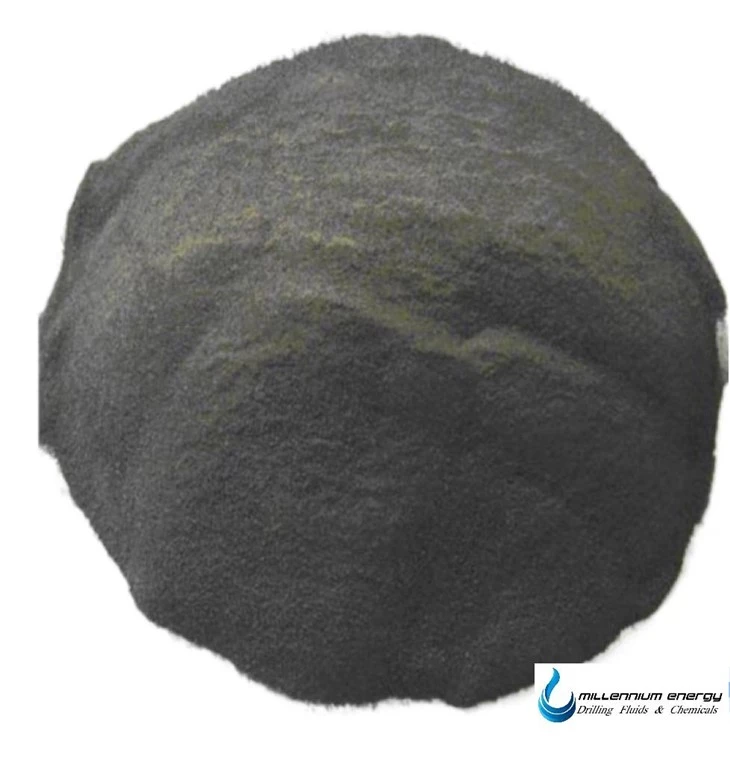
Hey there! I'm a supplier of Amine-treated Lignite, and I've been in this business for quite a while. Over the years, I've learned a lot about what makes amine treatment on lignite effective. So, I thought I'd share some insights with you on the factors that can influence the effectiveness of this treatment.
First off, let's talk a bit about Amine-treated Lignite. It's a pretty cool product that has a bunch of applications, especially in the drilling fluids industry. You can check out more about it Amine-treated Lignite. Now, when it comes to making sure the amine treatment on lignite works well, there are several key factors to consider.
1. The Quality of the Lignite
The starting material matters a whole lot. Lignite is a low - rank coal, and its quality can vary quite a bit depending on where it's mined. High - quality lignite usually has a better structure and composition, which can make it more receptive to amine treatment. For example, lignite with a higher carbon content and fewer impurities might react better with the amines. If the lignite has a lot of clay or other contaminants, it can interfere with the treatment process. These impurities can block the active sites on the lignite surface, preventing the amines from binding effectively. So, as a supplier, I always make sure to source high - quality lignite to get the best results from the amine treatment.
2. Type of Amine Used
Not all amines are created equal. There are different types of amines, such as primary, secondary, and tertiary amines, and each has its own characteristics. Primary amines, for instance, tend to have a higher reactivity compared to secondary and tertiary amines. They can form stronger bonds with the lignite surface, which can enhance the treatment effectiveness. However, they might also be more volatile and prone to oxidation. On the other hand, tertiary amines are less reactive but more stable. The choice of amine depends on the specific requirements of the application. If you need a quick and strong treatment, a primary amine might be a good option. But if stability is more important, a tertiary amine could be the way to go.
3. Treatment Conditions
The conditions under which the amine treatment is carried out are crucial. Temperature is one of the most important factors. Higher temperatures generally increase the reaction rate between the lignite and the amines. But if the temperature is too high, it can cause the amines to decompose or the lignite to lose some of its beneficial properties. A moderate and carefully controlled temperature is usually ideal. Pressure also plays a role. Higher pressure can force the amines into the pores of the lignite more effectively, improving the treatment. However, working with high pressure requires special equipment and safety precautions.
The reaction time is another key aspect. If the treatment time is too short, the amines might not have enough time to fully react with the lignite. But if it's too long, it can be a waste of resources and might even lead to unwanted side reactions. As a supplier, I've spent a lot of time optimizing these treatment conditions to ensure the best quality of Amine-treated Lignite.
4. Ratio of Amine to Lignite
Getting the right ratio of amine to lignite is like finding the perfect recipe. If there's too little amine, the treatment might not be sufficient, and the lignite won't have the desired properties. On the other hand, using too much amine can be wasteful and can also lead to issues like increased cost and potential environmental problems. The optimal ratio depends on the type of lignite and the specific application. For some applications, a higher amine - to - lignite ratio might be needed to achieve better performance, while for others, a lower ratio could be enough.
5. Environmental Factors
The environment in which the Amine-treated Lignite is used can also affect its effectiveness. For example, in a high - humidity environment, the treated lignite might absorb moisture, which can change its properties. Moisture can cause the amines to leach out or can lead to the growth of mold and bacteria, which can degrade the lignite. Similarly, exposure to extreme temperatures in the field can also impact the performance of the Amine-treated Lignite. If it's too hot, the amines might evaporate, and if it's too cold, the treated lignite might become brittle.
6. Compatibility with Other Additives
In many applications, Amine-treated Lignite is used in combination with other additives. For example, it might be used along with Medium Cloud Point Glycol or Filtration loss reducer Sulfonated Asphalt in drilling fluids. The compatibility of Amine-treated Lignite with these other additives is crucial. If they don't work well together, it can lead to problems like precipitation, reduced performance, or even damage to the equipment. So, when formulating a product, I always test the compatibility of all the components to make sure they work in harmony.
How These Factors Affect Real - World Applications
Let's take the drilling fluids industry as an example. In drilling, Amine-treated Lignite is used to control fluid loss, improve shale inhibition, and enhance the overall performance of the drilling fluid. If the lignite quality is poor, or the amine treatment is not done right, the drilling fluid might not be able to control fluid loss effectively. This can lead to problems like wellbore instability, which can be very costly and time - consuming to fix.
In addition, if the Amine-treated Lignite is not compatible with other additives in the drilling fluid, it can cause the fluid to become unstable, leading to issues like flocculation and sedimentation. These problems can disrupt the drilling process and reduce the efficiency of the operation.
Conclusion
So, there you have it! These are the main factors that can affect the effectiveness of amine treatment on lignite. As a supplier, I'm constantly working to optimize these factors to provide the best - quality Amine-treated Lignite to my customers. Whether you're in the drilling fluids industry or other fields that use Amine-treated Lignite, understanding these factors can help you make better decisions when it comes to choosing the right product.
If you're interested in learning more about Amine-treated Lignite or are looking to purchase it for your application, feel free to reach out. I'm always happy to have a chat and discuss how we can meet your specific needs.
References
- Smith, J. (2018). "The Chemistry of Coal Treatment with Amines". Journal of Coal Science, 25(3), 123 - 135.
- Johnson, A. (2019). "Optimizing Amine Treatment for Lignite in Drilling Fluids". Drilling Technology Review, 45(2), 78 - 85.
- Brown, C. (2020). "Environmental Impact of Amine - Treated Lignite and Its Applications". Environmental Science Journal, 32(4), 210 - 221.


