


As a dedicated provider of drilling fluids additives, I've witnessed firsthand the pivotal role that viscosifiers play in the realm of drilling operations. In this blog, I'll delve into the functions of viscosifiers in drilling fluids additives, shedding light on their importance and how they contribute to the success of drilling projects.
Understanding Drilling Fluids and Their Significance
Before we dive into the functions of viscosifiers, it's essential to understand the broader context of drilling fluids. Drilling fluids, also known as drilling muds, are crucial in the drilling process. They serve multiple purposes, including cooling and lubricating the drill bit, carrying cuttings to the surface, maintaining wellbore stability, and preventing formation damage.
The performance of drilling fluids depends on a variety of additives, each designed to enhance specific properties. Viscosifiers are one such group of additives that significantly impact the rheological properties of drilling fluids.
The Role of Viscosifiers in Drilling Fluids
Viscosifiers are substances that increase the viscosity of drilling fluids. Viscosity is a measure of a fluid's resistance to flow. By adjusting the viscosity of drilling fluids, viscosifiers help to optimize the performance of the drilling process in several ways.
Suspending Cuttings
One of the primary functions of viscosifiers is to suspend cuttings generated during the drilling process. As the drill bit breaks through the rock formations, it creates small rock fragments known as cuttings. These cuttings need to be removed from the wellbore to prevent them from settling at the bottom and causing problems such as bit balling, reduced drilling efficiency, and wellbore instability.
Viscosifiers increase the viscosity of the drilling fluid, allowing it to carry the cuttings to the surface more effectively. The higher the viscosity, the better the fluid can suspend the cuttings and keep them in motion until they reach the surface, where they can be separated from the drilling fluid.
Maintaining Wellbore Stability
Wellbore stability is crucial for the success of any drilling operation. A stable wellbore ensures that the drill string can move freely, prevents formation collapse, and reduces the risk of fluid losses. Viscosifiers play a vital role in maintaining wellbore stability by forming a thin filter cake on the wellbore wall.
The filter cake acts as a barrier between the drilling fluid and the formation, preventing the invasion of drilling fluid into the formation and reducing the risk of formation damage. Viscosifiers help to control the thickness and quality of the filter cake, ensuring that it is thin, impermeable, and adherent to the wellbore wall.
Controlling Fluid Loss
Fluid loss is another significant challenge in drilling operations. When the drilling fluid comes into contact with the formation, it can penetrate the porous rock and cause fluid losses. Fluid losses can lead to a variety of problems, including reduced drilling efficiency, wellbore instability, and formation damage.
Viscosifiers help to control fluid loss by increasing the viscosity of the drilling fluid and forming a filter cake on the wellbore wall. The higher viscosity of the fluid reduces the rate of fluid penetration into the formation, while the filter cake acts as a barrier to prevent further fluid loss.
Lubricating the Drill String
The drill string is subjected to high levels of friction and wear during the drilling process. Viscosifiers help to reduce friction and wear by providing lubrication to the drill string. The lubricating properties of the drilling fluid help to protect the drill bit, drill pipe, and other downhole equipment from damage, extending their lifespan and reducing maintenance costs.
Types of Viscosifiers
There are several types of viscosifiers available for use in drilling fluids, each with its own unique properties and applications. Some of the most common types of viscosifiers include:
Bentonite
Bentonite is a natural clay mineral that is widely used as a viscosifier in drilling fluids. It is composed of montmorillonite, a type of clay mineral that has a high swelling capacity and excellent rheological properties. Bentonite is inexpensive, readily available, and easy to handle, making it a popular choice for many drilling operations.
Xanthan Gum
Xanthan gum is a polysaccharide that is produced by the fermentation of glucose or sucrose by the bacterium Xanthomonas campestris. It is a high-molecular-weight polymer that has excellent thickening and suspending properties. Xanthan gum is commonly used in water-based drilling fluids, where it provides good viscosity control and cuttings suspension at low concentrations.
Guar Gum
Guar gum is a natural polysaccharide that is derived from the seeds of the guar plant. It is a high-molecular-weight polymer that has excellent thickening and suspending properties. Guar gum is commonly used in water-based drilling fluids, where it provides good viscosity control and cuttings suspension at low concentrations.
Modified Asphalt
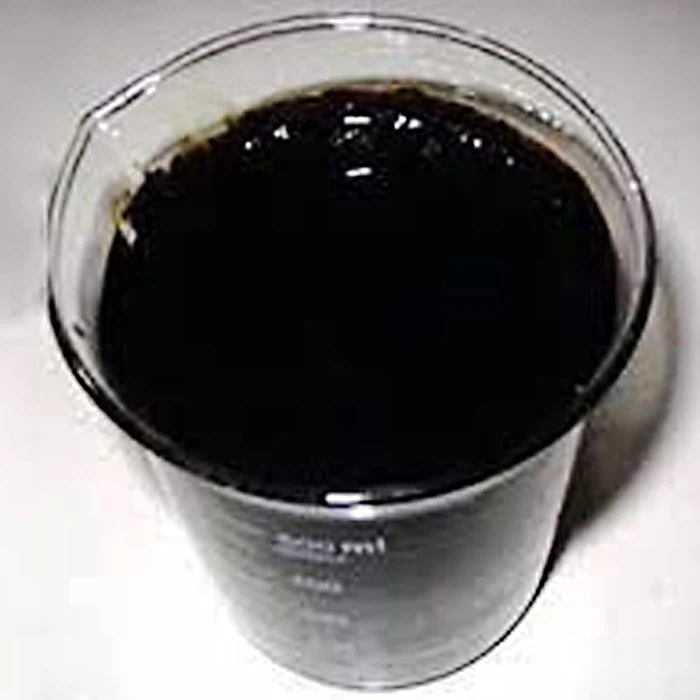
Modified asphalt is a type of viscosifier that is derived from asphalt. It is a high-molecular-weight polymer that has excellent thickening and suspending properties. Modified asphalt is commonly used in oil-based and synthetic-based drilling fluids, where it provides good viscosity control and cuttings suspension at high temperatures. You can learn more about Modified Asphalt on our website.
ME-FT (Economical Wellbore Stabilizer Sulphonated Asphalt)
ME-FT is an economical wellbore stabilizer sulphonated asphalt that is used as a viscosifier in drilling fluids. It is a high-molecular-weight polymer that has excellent thickening and suspending properties. ME-FT is commonly used in water-based drilling fluids, where it provides good viscosity control and wellbore stability at low concentrations. You can find more information about ME-FT (Economical Wellbore Stabilizer Sulphonated Asphalt) on our website.
Emulsified Asphalt
Emulsified asphalt is a type of viscosifier that is derived from asphalt. It is a high-molecular-weight polymer that has excellent thickening and suspending properties. Emulsified asphalt is commonly used in oil-based and synthetic-based drilling fluids, where it provides good viscosity control and cuttings suspension at high temperatures. You can explore more about Emulsified Asphalt on our website.
Choosing the Right Viscosifier
Choosing the right viscosifier for a particular drilling operation depends on several factors, including the type of drilling fluid, the drilling conditions, and the specific requirements of the project. Some of the key considerations when choosing a viscosifier include:
Viscosity Requirements
The viscosity requirements of the drilling fluid depend on the type of drilling operation, the depth of the well, and the size and density of the cuttings. Different viscosifiers have different viscosity profiles, so it's important to choose a viscosifier that can provide the desired viscosity at the operating conditions.
Temperature Stability
The temperature stability of the viscosifier is another important consideration, especially in high-temperature drilling operations. Some viscosifiers may break down or lose their viscosity at high temperatures, which can lead to reduced performance and increased fluid losses. It's important to choose a viscosifier that is stable at the operating temperature of the drilling fluid.
Compatibility with Other Additives
Viscosifiers are often used in combination with other additives, such as filtration control agents, lubricants, and weighting agents. It's important to choose a viscosifier that is compatible with the other additives in the drilling fluid to ensure that they work together effectively and do not cause any adverse reactions.

Environmental Considerations
Environmental considerations are becoming increasingly important in the drilling industry. It's important to choose a viscosifier that is environmentally friendly and meets the regulatory requirements of the drilling location. Some viscosifiers may be toxic or harmful to the environment, so it's important to choose a viscosifier that is biodegradable and non-toxic.
Conclusion
Viscosifiers play a crucial role in the performance of drilling fluids. They help to suspend cuttings, maintain wellbore stability, control fluid loss, and lubricate the drill string. By choosing the right viscosifier for a particular drilling operation, operators can optimize the performance of the drilling process, reduce costs, and minimize the environmental impact.
If you're looking for high-quality drilling fluids additives, including viscosifiers, we're here to help. As a leading provider of drilling fluids additives, we offer a wide range of products that are designed to meet the specific needs of your drilling operations. Contact us today to discuss your requirements and learn more about how our products can help you achieve your drilling goals.
References
- API Recommended Practice 13B-1, "Standard Practice for Field Testing Water-Based Drilling Fluids"
- API Recommended Practice 13B-2, "Standard Practice for Field Testing Oil-Based Drilling Fluids"
- Darley, H. C. H., & Gray, G. R. (1988). Composition and Properties of Drilling and Completion Fluids. Gulf Publishing Company.


