









Shale formations present significant challenges in various industries, especially in oil and gas drilling. These formations are prone to instability, which can lead to wellbore problems, increased costs, and potential safety hazards. Reactive Shales Stabilizer plays a crucial role in addressing these issues, and as a supplier of this essential product, I am excited to delve into its functions and benefits.
Understanding Shale Instability
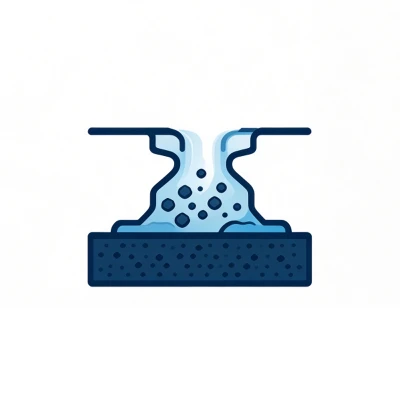
Shale is a fine - grained sedimentary rock composed mainly of clay minerals. The unique structure of shale makes it highly reactive to water and other drilling fluids. When exposed to these fluids, shale can absorb water through processes such as osmosis. This water absorption causes the shale to swell, which in turn can lead to wellbore collapse, pipe sticking, and reduced drilling efficiency.
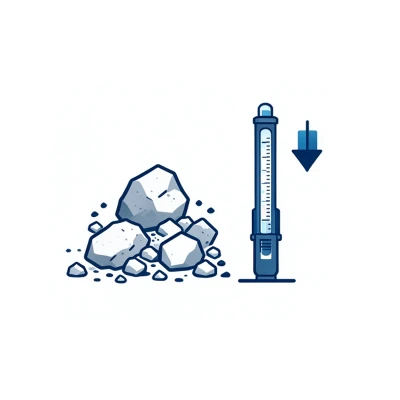
Moreover, shale's natural tendency to slough and disintegrate due to mechanical forces during drilling exacerbates the problem. As the drill bit cuts through the shale, the stress on the formation can cause it to break into small pieces, which can clog the drilling fluid circulation system and interfere with the drilling operation.
How Reactive Shales Stabilizer Works
Reactive Shales Stabilizer is designed to interact with the shale formation in multiple ways to improve its stability.

1. Inhibition of Water Absorption
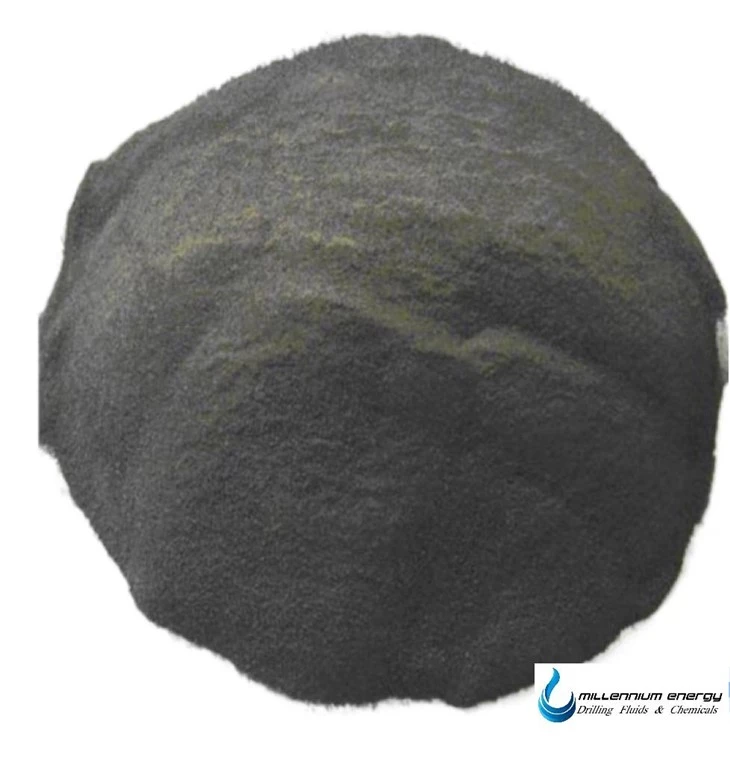
One of the primary functions of the Reactive Shales Stabilizer is to inhibit the water absorption of shale. The stabilizer contains chemical compounds that can form a protective film on the surface of the shale particles. This film acts as a barrier, preventing water from penetrating the shale and causing it to swell. For example, some stabilizers use polymers that can adsorb onto the shale surface through electrostatic interactions. These polymers create a hydrophobic layer that repels water molecules, reducing the amount of water that can be absorbed by the shale.
2. Strengthening the Shale Structure
In addition to preventing water absorption, the Reactive Shales Stabilizer can also strengthen the shale structure. The chemical components in the stabilizer can react with the clay minerals in the shale to form new chemical bonds. These bonds increase the cohesion between the shale particles, making the formation more resistant to mechanical stress. For instance, certain metal ions in the stabilizer can cross - link with the clay platelets, creating a more rigid and stable structure.
3. Controlling Shale Swelling
Shale swelling is a major cause of wellbore instability. The Reactive Shales Stabilizer can control swelling by adjusting the osmotic pressure between the shale and the drilling fluid. By adding specific salts or polymers to the stabilizer, the osmotic potential of the drilling fluid can be balanced with that of the shale. This balance reduces the driving force for water to move into the shale, thereby minimizing swelling.
Benefits of Using Reactive Shales Stabilizer
1. Improved Drilling Efficiency
By preventing wellbore collapse and pipe sticking, the Reactive Shales Stabilizer allows for smoother drilling operations. Drilling can proceed at a faster rate without the need for frequent interruptions to address wellbore problems. This leads to significant time savings and reduced costs associated with drilling delays.
2. Enhanced Wellbore Integrity
Maintaining the integrity of the wellbore is crucial for the success of the drilling project. The stabilizer helps to keep the wellbore walls stable, reducing the risk of formation damage and fluid loss. This is particularly important in deep - water and high - pressure drilling environments, where wellbore stability is even more critical.
3. Cost Savings
The use of Reactive Shales Stabilizer can result in substantial cost savings. By reducing the need for expensive remedial actions such as wellbore reaming and casing repairs, operators can save on both material and labor costs. Additionally, the improved drilling efficiency translates into lower overall drilling costs.
Comparison with Other Shale Inhibitors
There are several other types of shale inhibitors available in the market, such as Organophlic Lignite and Filtration loss reducer Sulfonated Asphalt. While these inhibitors also have their own advantages, Reactive Shales Stabilizer offers unique benefits.
Organophlic Lignite is mainly used to improve the lubricity of drilling fluids and reduce fluid loss. However, its ability to directly interact with the shale formation to prevent swelling is limited. On the other hand, Filtration loss reducer Sulfonated Asphalt is effective in reducing fluid loss and improving the filter cake quality. But it may not be as effective as the Reactive Shales Stabilizer in strengthening the shale structure and controlling swelling.
The Reactive Shales Stabilizer combines multiple functions, including water absorption inhibition, structure strengthening, and swelling control. This comprehensive approach makes it a more effective solution for improving shale stability in challenging drilling environments.
Real - World Applications
The Reactive Shales Stabilizer has been widely used in various drilling projects around the world. In a recent offshore drilling project in the Gulf of Mexico, the use of our Reactive Shales Stabilizer significantly improved wellbore stability. The drilling team reported fewer incidents of pipe sticking and wellbore collapse, which allowed them to complete the drilling operation ahead of schedule.
In another onshore drilling project in the Middle East, the stabilizer was used in a shale formation with high clay content. The results showed a significant reduction in shale swelling and improved drilling efficiency. The project also experienced less formation damage, which led to better long - term well performance.
Quality and Customization
As a supplier of Reactive Shales Stabilizer, we are committed to providing high - quality products. Our stabilizers are manufactured using advanced production techniques and strict quality control measures. We source the best raw materials to ensure the effectiveness and reliability of our products.
In addition, we understand that different drilling projects have different requirements. That's why we offer customized solutions. Our team of experts can analyze the specific characteristics of the shale formation and the drilling fluid system, and then formulate a tailored Reactive Shales Stabilizer. This customization ensures that the stabilizer can provide the best performance in each unique drilling situation.
Contact Us for Procurement
If you are facing challenges with shale instability in your drilling projects, our Reactive Shales Stabilizer can be the solution you need. We are ready to work with you to improve the efficiency and safety of your operations. Whether you need a standard product or a customized solution, we have the expertise and resources to meet your requirements. Contact us to start a procurement discussion and take advantage of the benefits of our high - quality Reactive Shales Stabilizer.
References
- Chenevert, M. E. (1970). Shale control through inhibition. Journal of Petroleum Technology, 22(09), 1031 - 1038.
- Zhang, J., & Yin, Z. (2018). A review of shale inhibitors for water - based drilling fluids. Journal of Petroleum Science and Engineering, 166, 372 - 385.
- Yu, M., & Sepehrnoori, K. (2015). Wellbore stability analysis in shale formations. Journal of Petroleum Science and Engineering, 127, 1 - 12.


