












Hey there, fellow drilling enthusiasts! I'm a supplier of Reactive Shales Stabilizers, and today I want to dig deep into the differences between our amazing reactive shales stabilizers and those traditional ones.
Let's start by understanding what shales stabilizers are all about. In drilling operations, shales can be a real pain in the you - know - what. They're unstable, and when they come into contact with drilling fluids, they tend to swell, break up, and cause all sorts of problems like hole instability, stuck pipe, and increased torque. That's where shales stabilizers step in to save the day. They help to prevent these issues by keeping the shales in check.
Traditional Shales Stabilizers
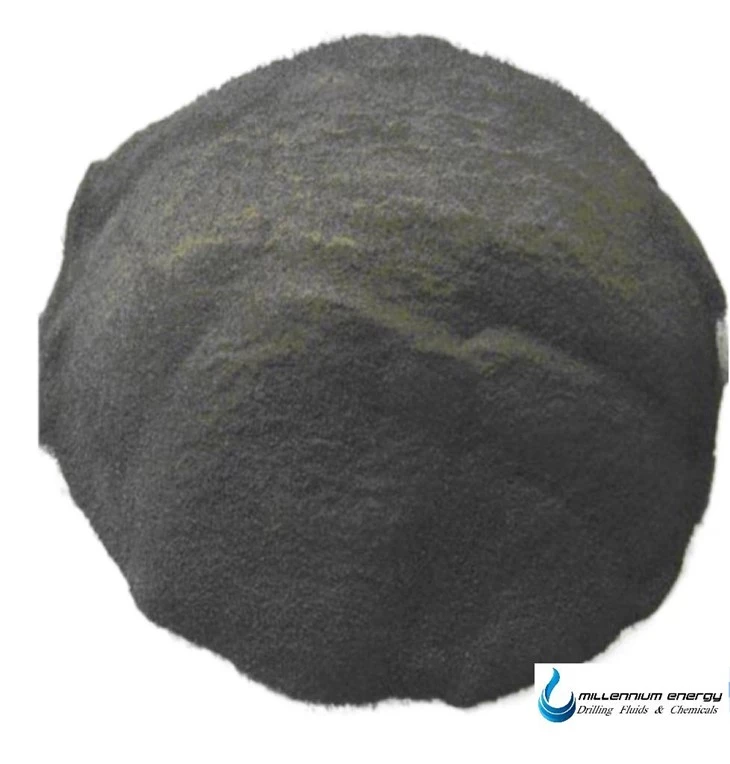
Traditional shales stabilizers have been around for quite a while. They've been the go - to option for many drillers because they're familiar and relatively inexpensive. Some of the common types include Amine - treated Lignite, Sulphonated Asphalt * and ME - FT High Grade Sulfonated Asphalt.
Mechanism of Action
These traditional stabilizers mainly work through physical or chemical adsorption on the shale surface. For instance, amine - treated lignite coats the shale particles. This coating acts as a barrier, reducing the interaction between the shales and the drilling fluid. Sulphonated asphalt and its high - grade counterpart also work in a similar way. They adhere to the shale surface and form a thin, protective film. This film helps to prevent the penetration of water into the shale, which in turn reduces swelling and disintegration.

Limitations
However, traditional shales stabilizers do have some drawbacks. One major limitation is their relatively short - lived effectiveness. Over time, the protective film they form can wear off or become less effective. This means that drillers often need to add more stabilizer to the drilling fluid to maintain the desired level of shale stability. Another issue is their environmental impact. Some of these stabilizers contain chemicals that are not very friendly to the environment. For example, certain amines used in amine - treated lignite can be toxic to aquatic life if they end up in water bodies.
Reactive Shales Stabilizers
So, what makes reactive shales stabilizers different? Well, as the name suggests, they're reactive! Unlike traditional stabilizers, which mainly rely on surface coating, reactive shales stabilizers react with the shale at a molecular level.
Mechanism of Action
Reactive shales stabilizers are designed to chemically bond with the clay particles in the shale. They contain special agents that can penetrate into the shale structure and react with the clay minerals. This reaction forms a strong, three - dimensional network within the shale. This network not only prevents the penetration of water but also strengthens the shale itself, making it more resistant to swelling and disintegration.
Advantages
One of the biggest advantages of reactive shales stabilizers is their long - term effectiveness. Once they react with the shale, the bonds they form are quite stable. This means that they can provide long - lasting shale stability without the need for continuous re - dosing. They're also more environmentally friendly. Most reactive shales stabilizers are formulated with biodegradable and non - toxic ingredients, which is a big plus in today's environmentally conscious world.
Another advantage is their performance under extreme conditions. In high - temperature and high - pressure drilling environments, traditional shales stabilizers can often break down or lose their effectiveness. Reactive shales stabilizers, on the other hand, are more resilient. They can maintain their bonding properties even under harsh conditions, ensuring reliable shale stability throughout the drilling process.
Cost - Effectiveness Comparison
Now, let's talk about cost. At first glance, reactive shales stabilizers may seem more expensive than traditional ones. But when you consider the long - term benefits, they can actually be more cost - effective. Since they require less frequent re - dosing, you'll end up using less product over the course of a drilling project. Additionally, the reduced likelihood of drilling problems such as stuck pipe and hole instability can save a lot of time and money. Fewer downtime means more productive drilling, which ultimately translates into cost savings.
Case Study: A Real - World Comparison
Let me share a real - world example to illustrate the differences between these two types of stabilizers. We had a client who was working on a drilling project in a shale - rich area. They initially used a traditional shales stabilizer. At first, things seemed to be going okay, but after a few days, they started to notice signs of shale swelling and instability. The drillstring was getting stuck more often, and the rate of penetration started to decrease.
We recommended switching to our reactive shales stabilizer. After adding the reactive stabilizer to the drilling fluid, the results were amazing. The shale stability improved significantly within a short period. The stuck - pipe incidents reduced dramatically, and the rate of penetration increased. The client was able to complete the drilling project ahead of schedule and with lower overall costs. This is just one example of how reactive shales stabilizers can outperform traditional ones in real - world scenarios.
Conclusion
In summary, while traditional shales stabilizers have been the norm for many years, reactive shales stabilizers offer a more effective and sustainable solution. Their unique reactive mechanism provides long - lasting shale stability, better performance under extreme conditions, and environmental benefits. And when you consider the cost - effectiveness in terms of reduced downtime and product usage, they're really a no - brainer.
If you're in the drilling industry and are tired of dealing with shale - related drilling problems, or if you're looking for a more environmentally friendly option, I highly recommend giving reactive shales stabilizers a try.
If you're interested in learning more about our reactive shales stabilizers or want to discuss a potential purchase, don't hesitate to reach out. Just shoot us a message, and we'll be more than happy to have a chat and see how we can help you with your drilling needs.
References
- Drilling Fluids Technology Handbook.
- Environmental Impact Studies of Drilling Fluid Additives.
- Research Papers on Shale Inhibition Mechanisms.


