






Hey there! As a supplier of phosphonate scale remover, I often get asked how this stuff actually works. Well, let's dive right in and break it down.
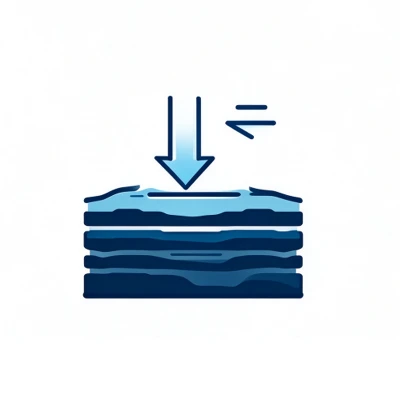
First off, what is scale? Scale is basically a hard, crusty deposit that forms on surfaces in contact with water. It's mainly made up of minerals like calcium, magnesium, and sometimes other stuff like Barium Sulfate Scale. This scale can cause all sorts of problems in industrial equipment, pipelines, and even household appliances. It can reduce the efficiency of heat exchangers, clog pipes, and damage machinery.
So, how does our phosphonate scale remover come to the rescue?
The Chemistry Behind Phosphonate Scale Removers
Phosphonates are a group of chemical compounds that have some pretty amazing properties when it comes to dealing with scale. They work through a few different mechanisms, and I'll explain each one in detail.
Chelation
One of the main ways phosphonate scale removers work is through chelation. Chelation is like a chemical "hug" where the phosphonate molecules wrap around metal ions in the scale. You see, the scale is full of metal ions like calcium and magnesium. These ions are what make the scale hard and sticky. The phosphonate molecules have special parts called functional groups that can form strong bonds with these metal ions.
When the phosphonate scale remover is added to a system with scale, the phosphonate molecules start seeking out these metal ions. Once they find them, they grab onto them and form a complex. This complex is much more soluble in water than the original scale. So, instead of the scale being a hard, insoluble deposit, it becomes part of a soluble compound that can be easily washed away.
For example, let's say you have a calcium carbonate scale in a pipe. The phosphonate scale remover will react with the calcium ions in the scale. The phosphonate molecules will form a chelate with the calcium ions, and this chelate will dissolve in the water flowing through the pipe. As a result, the scale gradually breaks down and gets carried away with the water.
Threshold Inhibition
Another important mechanism is threshold inhibition. This is a bit of a tricky concept, but I'll try to explain it simply. Threshold inhibition means that even a small amount of phosphonate scale remover can prevent the formation of scale.
In a water system, there are always metal ions and anions (like carbonate or sulfate ions) floating around. Under normal conditions, these ions can come together and form solid scale particles. But when you add a Phosphonate scale inhibitor to the system, it interferes with this process.
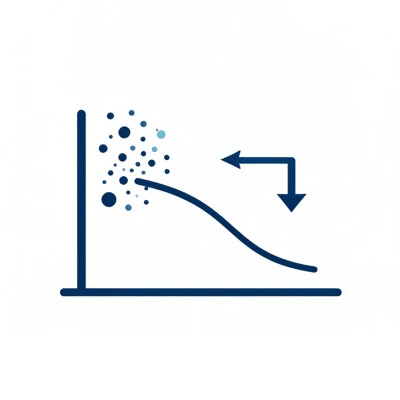
The phosphonate molecules adsorb onto the surface of the potential scale particles. This adsorption changes the surface properties of the particles and makes it difficult for them to grow and aggregate into larger scale deposits. So, even though there are still metal ions and anions in the water, they don't form scale as easily.
It's like having a traffic cop at an intersection. The phosphonate scale remover is the traffic cop, and the metal ions and anions are the cars. The traffic cop (phosphonate) stops the cars (ions) from crashing into each other and forming a big mess (scale).
Crystal Modification
Phosphonate scale removers can also modify the crystal structure of the scale. When scale forms, the metal ions and anions arrange themselves in a specific crystal lattice structure. This structure gives the scale its hardness and durability.
The phosphonate molecules can interfere with this crystal formation process. They can adsorb onto the growing crystal surfaces and change the way the ions stack together. This results in the formation of smaller, less organized crystals. These smaller crystals are more easily dispersed in the water and are less likely to stick to surfaces and form a thick scale layer.


For instance, instead of forming large, hard calcium carbonate crystals, the phosphonate scale remover might cause the formation of small, needle - like crystals that are more likely to be carried away by the water flow.
Real - World Applications
Now that you know how phosphonate scale removers work, let's talk about where they are used.
Industrial Cooling Systems
Industrial cooling systems are a prime target for scale formation. These systems use a lot of water to cool down machinery and equipment. As the water circulates through the system, it can pick up metal ions from the pipes and the environment. Over time, this can lead to the formation of scale on the heat exchanger surfaces.
Using a phosphonate scale remover in an industrial cooling system can prevent this scale from forming. It can also remove existing scale, which improves the efficiency of the heat exchanger. A clean heat exchanger can transfer heat more effectively, which means less energy is wasted and the system operates more smoothly.
Oil and Gas Industry
In the oil and gas industry, scale formation can be a major problem. In oil wells and pipelines, the water produced along with the oil often contains high levels of minerals. These minerals can form scale in the wellbore, pipelines, and production equipment.
Phosphonate scale removers are used to prevent and remove this scale. They can be injected into the well or added to the pipeline to keep the scale from clogging up the system. This is crucial for maintaining the flow of oil and gas and preventing costly downtime for equipment maintenance.
Household Appliances
Even in our homes, phosphonate scale removers can be useful. Appliances like water heaters, coffee makers, and dishwashers are prone to scale buildup. Over time, scale can reduce the efficiency of these appliances and even shorten their lifespan.
Some cleaning products for household appliances contain phosphonate scale removers. You can use these products to clean your appliances and remove the scale. This not only keeps your appliances working properly but also saves you money in the long run by reducing the need for expensive repairs or replacements.
Advantages of Using Phosphonate Scale Removers
There are several advantages to using phosphonate scale removers.
Effectiveness
As we've seen, phosphonate scale removers are very effective at both preventing and removing scale. They can work on different types of scale, including calcium carbonate, calcium sulfate, and Barium Sulfate Scale. Whether you're dealing with a small amount of scale in a household appliance or a large - scale industrial scale problem, phosphonate scale removers can get the job done.
Compatibility
Phosphonate scale removers are generally compatible with a wide range of materials. They can be used in systems with different types of pipes, pumps, and other equipment without causing significant corrosion or damage. This makes them a versatile choice for various applications.
Environmental Friendliness
Compared to some other scale removal methods, phosphonate scale removers are relatively environmentally friendly. They can be formulated to be biodegradable and have a low impact on the environment. This is important, especially in industries where environmental regulations are strict.
Conclusion
So, there you have it! That's how phosphonate scale removers work. They use chelation, threshold inhibition, and crystal modification to prevent and remove scale in various systems. Whether it's an industrial cooling system, an oil well, or your home coffee maker, phosphonate scale removers can make a big difference.
If you're dealing with scale problems in your system, don't hesitate to reach out. We're a leading supplier of high - quality phosphonate scale removers, and we're here to help you find the best solution for your needs. Whether you need a small - scale product for your home or a large - scale industrial solution, we've got you covered. Contact us to discuss your requirements and start solving your scale problems today!
References
- "Handbook of Industrial Water Conditioning" by BetzDearborn
- "Water Treatment Handbook" by Veolia Water Technologies


