







Hey there! As a supplier of Oil-wetting Agent For OBM, I've been getting a lot of questions lately about how these agents interact with natural gas in the formation. So, I thought I'd take a deep dive into this topic and share what I've learned.
First off, let's talk about what an oil-wetting agent for OBM (Oil-Based Mud) is. OBM is widely used in the oil and gas industry because it offers several advantages, like better lubrication, thermal stability, and shale inhibition. An oil-wetting agent is an additive that helps to make the surfaces of solids in the drilling fluid and the formation more oil-wet. This is crucial because it can improve the performance of the OBM and enhance the overall drilling process.
Now, when it comes to natural gas in the formation, things get a bit more interesting. Natural gas is often found alongside oil in subsurface reservoirs. When we're drilling through these formations, the oil-wetting agent in the OBM can have a significant impact on how the natural gas behaves.
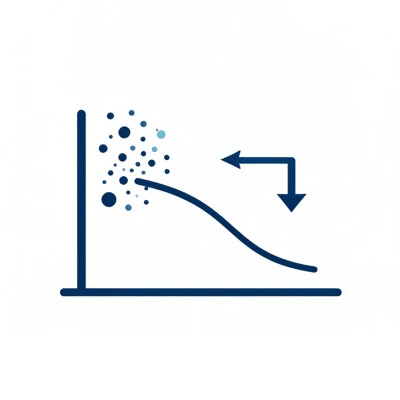
One of the key ways the oil-wetting agent interacts with natural gas is through its effect on the interfacial properties. The agent changes the wettability of the rock surfaces in the formation. In an oil-wet environment, the natural gas tends to form discrete bubbles rather than spreading out over the rock surfaces. This is because the oil-wetting agent reduces the adhesion between the gas and the rock, making it easier for the gas to separate from the solid phase.
Let's think about it in a more practical sense. When the drilling fluid with the oil-wetting agent circulates through the wellbore, it comes into contact with the natural gas in the formation. The agent helps to create a more favorable environment for the gas to be released from the rock pores. As the gas is released, it can then be carried up to the surface by the drilling fluid.


Another important aspect is the solubility of natural gas in the OBM. The oil-wetting agent can influence the solubility of the gas in the fluid. In some cases, it can increase the solubility of certain components of the natural gas, which can be beneficial for controlling the pressure in the wellbore. By dissolving more gas in the fluid, we can prevent excessive gas influx and potential blowouts.
However, it's not all straightforward. Sometimes, the interaction between the oil-wetting agent and natural gas can lead to some challenges. For example, if the gas solubility is too high, it can cause problems during the separation process at the surface. The gas may not be easily removed from the drilling fluid, which can affect the efficiency of the fluid recycling system.
To address these issues, it's important to carefully select the right oil-wetting agent for the specific formation conditions. Different formations have different gas compositions and pressures, so we need to choose an agent that can optimize the interaction with the natural gas.
Now, let's talk about some related products that can work in conjunction with the oil-wetting agent. If you're interested in other additives for OBM, you might want to check out Drilling Fluid Oxidized Bitumen Powder. This powder can improve the rheological properties of the OBM and enhance its stability.
Another useful product is Thinner and Deflocculants for OBM. These additives can help to control the viscosity of the drilling fluid, which is important for efficient drilling and proper gas transport.
And don't forget about Alkalinity Control. Maintaining the right alkalinity in the OBM is crucial for the performance of the oil-wetting agent and other additives. It can also prevent corrosion and ensure the long-term stability of the drilling fluid.
In conclusion, the interaction between an oil-wetting agent for OBM and natural gas in the formation is a complex but important phenomenon. By understanding how these two interact, we can optimize the drilling process, improve the recovery of oil and gas, and ensure the safety of the operation.
If you're in the market for an oil-wetting agent for OBM or any of the related products I mentioned, I'd love to have a chat with you. We can discuss your specific needs and find the best solutions for your drilling projects. Just reach out, and we can start the conversation.
References
- Smith, J. (2020). "Advances in Oil-Based Mud Additives." Journal of Petroleum Engineering.
- Johnson, A. (2019). "The Role of Wettability in Gas Reservoir Engineering." Gas Technology Review.


