












Completion fluids additives play a pivotal role in the oil and gas industry, particularly in enhancing the cement - formation bond. As a dedicated completion fluids additives supplier, we have witnessed firsthand the transformative power of these additives in improving well construction and completion processes. In this blog, we will explore how completion fluids additives can boost the cement - formation bond, leading to more efficient and reliable oil and gas wells.
Understanding the Cement - Formation Bond
Before delving into the role of completion fluids additives, it is essential to understand the significance of the cement - formation bond. The cement sheath serves multiple critical functions in a well. It provides zonal isolation, preventing the migration of fluids between different formations, and supports the casing, protecting it from mechanical stress and corrosion. A strong cement - formation bond ensures the long - term integrity of the well, reducing the risk of wellbore problems such as fluid leakage and casing failure.
The quality of the cement - formation bond is influenced by several factors, including the properties of the cement slurry, the formation characteristics, and the drilling and completion operations. During the cementing process, the cement slurry is pumped into the annulus between the casing and the formation. The cement must displace the drilling fluid effectively and form a tight seal against the formation wall. However, drilling fluids often leave a filter cake on the formation surface, which can impede the bonding between the cement and the formation. Additionally, the presence of formation fluids, such as water or gas, can affect the setting and hardening of the cement, leading to a weak bond.
Role of Completion Fluids Additives
Completion fluids additives are designed to address these challenges and improve the cement - formation bond. These additives can be classified into several categories based on their functions, including filter cake removers, clay stabilizers, and H2S scavengers.
Filter Cake Removers
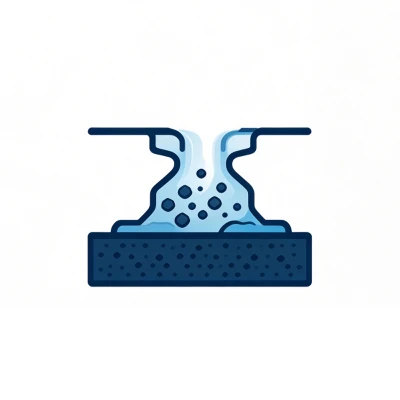
One of the primary obstacles to a strong cement - formation bond is the filter cake left by the drilling fluid. The filter cake consists of solid particles, such as clays and weighting agents, suspended in the drilling fluid. This cake can form a barrier between the cement and the formation, preventing proper bonding. Filter Cake Remover additives are formulated to break down and remove this filter cake, allowing the cement to come into direct contact with the formation.
Filter cake removers work by chemically reacting with the components of the filter cake. For example, some removers contain acids that can dissolve the carbonate - based solids in the cake. Others use enzymes or chelating agents to break down the organic or inorganic polymers in the filter cake. By removing the filter cake, these additives create a clean surface for the cement to adhere to, improving the bond strength and zonal isolation.
Clay Stabilizers
Many formations contain clays, which can swell and disperse when exposed to water - based fluids. This swelling can cause several problems, including a reduction in the permeability of the formation, damage to the wellbore, and a weakening of the cement - formation bond. Organic Cationic Clay Stabilizer Powder additives are used to prevent the swelling and dispersion of clays.
These stabilizers work by exchanging cations with the clay particles. The additive cations attach to the surface of the clay, reducing its negative charge and preventing water molecules from being attracted to the clay. As a result, the clay remains stable and does not swell. By stabilizing the clays in the formation, these additives ensure that the formation properties remain consistent during the cementing process, promoting a stronger bond between the cement and the formation.
H2S Scavengers
Hydrogen sulfide (H2S) is a toxic and corrosive gas that can be present in some oil and gas formations. The presence of H2S in the wellbore can have a detrimental effect on the cement - formation bond. H2S can react with the cement components, leading to the formation of sulfide compounds that can weaken the cement matrix and reduce its bond strength. H2S Scavenger additives are used to remove H2S from the wellbore fluids before and during the cementing process.
H2S scavengers typically work by chemically reacting with H2S to form stable, non - toxic compounds. For example, some scavengers contain transition metals that can react with H2S to form metal sulfides. By removing H2S, these additives protect the cement from chemical degradation, ensuring the integrity of the cement - formation bond.
Mechanisms of Improvement
The use of completion fluids additives improves the cement - formation bond through several mechanisms. Firstly, by removing the filter cake, additives allow the cement to establish direct contact with the formation surface. This direct contact enhances the mechanical interlocking between the cement and the formation, increasing the bond strength. The cement can penetrate into the pores and irregularities of the formation, creating a more stable and secure connection.
Secondly, clay stabilizers help maintain the integrity of the formation. When clays are stabilized, the formation structure remains intact, and there is less risk of formation damage during the cementing process. This stability ensures that the cement can bond evenly with the formation, without the interference of swelling or dispersed clays.
Finally, H2S scavengers protect the cement from corrosion and chemical attack. By eliminating H2S, the additives preserve the chemical and physical properties of the cement, allowing it to harden properly and form a strong bond with the formation. The prevention of cement degradation due to H2S allows the cement sheath to maintain its structural integrity over time.
Case Studies
To illustrate the effectiveness of completion fluids additives in improving the cement - formation bond, let us consider some case studies. In a project in a shale formation, the use of a filter cake remover additive significantly improved the cement - formation bond. The drilling fluid had left a thick filter cake on the formation surface, which was preventing proper cement bonding. After applying the filter cake remover, the filter cake was effectively removed, and the cement was able to make good contact with the formation. The subsequent wellbore integrity tests showed a significant improvement in the zonal isolation, indicating a stronger cement - formation bond.
In another case, a well in a formation with high clay content was experiencing problems with clay swelling. This swelling was causing a reduction in the permeability of the formation and a weakening of the cement - formation bond. By using an organic cationic clay stabilizer powder, the clay swelling was effectively controlled. The cementing process was then carried out successfully, and the well showed improved performance and long - term integrity.


In a well with high H2S content, the use of an H2S scavenger additive was crucial for ensuring a strong cement - formation bond. Before the addition of the scavenger, the H2S was reacting with the cement, causing visible signs of degradation. After the addition of the H2S scavenger, the H2S was removed from the wellbore fluids, and the cement was able to set and harden without being affected by the corrosive gas. The wellbore integrity was maintained, and there were no further issues related to the cement - formation bond.
Conclusion
Completion fluids additives are essential for improving the cement - formation bond in oil and gas wells. These additives, including filter cake removers, clay stabilizers, and H2S scavengers, address the challenges associated with the cementing process and enhance the long - term integrity of the well. By removing barriers, stabilizing the formation, and protecting the cement from corrosion, completion fluids additives ensure a strong and reliable bond between the cement and the formation.
As a completion fluids additives supplier, we are committed to providing high - quality additives that meet the specific needs of our clients. Our products are designed and tested to ensure optimal performance in various well conditions. We understand the importance of a strong cement - formation bond for the success of oil and gas operations, and we strive to deliver solutions that enhance well productivity and safety.
If you are interested in learning more about our completion fluids additives or would like to discuss your specific requirements, please feel free to contact us. We are here to assist you in achieving the best possible results in your well construction and completion projects.
References
- Economides, M. J., & Nolte, K. G. (2000). Reservoir Stimulation. John Wiley & Sons.
- Nelson, E. B., & Guillot, D. (2006). Well Cementing: Theory and Practice. Schlumberger.
- Smith, R. A. (1996). Completion and Workover Fluids. PennWell Books.


