







In the realm of oil and gas drilling operations, preventing formation damage is of paramount importance. Formation damage can lead to reduced well productivity, increased operational costs, and even premature well abandonment. One crucial additive that has proven its worth in mitigating formation damage is sulphonated asphalt. As a leading sulphonated asphalt supplier, I am excited to delve into the role of sulphonated asphalt in preventing formation damage during drilling.
Understanding Formation Damage
Before we explore the role of sulphonated asphalt, it's essential to understand what formation damage is. Formation damage refers to any process that reduces the permeability of the reservoir rock, thereby impeding the flow of hydrocarbons from the reservoir to the wellbore. This can occur due to various factors, including the invasion of drilling fluids into the formation, the deposition of solid particles, and the chemical reactions between the drilling fluids and the formation rock.
How Sulphonated Asphalt Works
Sulphonated asphalt is a chemically modified form of asphalt that has been treated with sulphonic acid to introduce sulphonate groups onto the asphalt molecules. These sulphonate groups impart several beneficial properties to the asphalt, making it an effective additive for preventing formation damage.
Filtration Control
One of the primary ways sulphonated asphalt prevents formation damage is by controlling the filtration of drilling fluids into the formation. When drilling fluids are pumped into the wellbore, they can invade the formation through the pores and fractures in the reservoir rock. This invasion can cause several problems, including the deposition of solid particles in the pores, the swelling of clay minerals, and the alteration of the wettability of the rock surface.
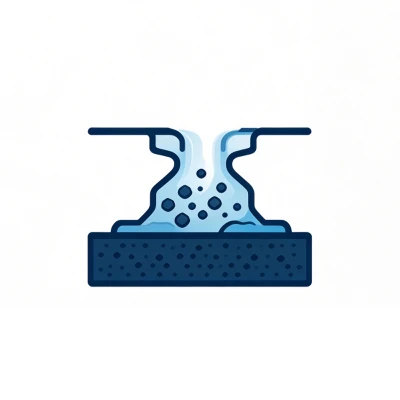
Sulphonated asphalt forms a thin, impermeable filter cake on the wellbore wall, which acts as a barrier to prevent the invasion of drilling fluids into the formation. The filter cake is composed of asphalt particles that are held together by the sulphonate groups, creating a dense and stable structure that is resistant to fluid invasion. By reducing the filtration of drilling fluids into the formation, sulphonated asphalt helps to minimize the deposition of solid particles and the swelling of clay minerals, thereby preserving the permeability of the reservoir rock.
Lubrication
Another important property of sulphonated asphalt is its lubricating ability. During drilling operations, the drill bit and the drill string come into contact with the wellbore wall, causing friction and wear. This friction can generate heat, which can damage the drill bit and the drill string, and increase the energy consumption of the drilling operation.
Sulphonated asphalt acts as a lubricant, reducing the friction between the drill bit and the wellbore wall. The sulphonate groups on the asphalt molecules form a thin, slippery film on the metal surface, which reduces the coefficient of friction and prevents the adhesion of drilling fluids and cuttings to the drill bit and the drill string. By reducing friction and wear, sulphonated asphalt helps to extend the life of the drill bit and the drill string, and improve the efficiency of the drilling operation.
Shale Inhibition
Shale is a common type of sedimentary rock that is often encountered during drilling operations. Shale contains clay minerals that can swell and disperse when exposed to water, causing several problems, including wellbore instability, stuck pipe, and formation damage.
Sulphonated asphalt has excellent shale inhibition properties, which help to prevent the swelling and dispersion of clay minerals in the shale. The sulphonate groups on the asphalt molecules interact with the clay particles, forming a protective layer on the surface of the clay that prevents the adsorption of water and the swelling of the clay. By inhibiting the swelling and dispersion of clay minerals, sulphonated asphalt helps to maintain the stability of the wellbore and prevent formation damage.
Types of Sulphonated Asphalt
There are several types of sulphonated asphalt available on the market, each with its own unique properties and applications. As a sulphonated asphalt supplier, we offer a range of high-quality products that are specifically designed to meet the needs of different drilling operations.
Low Fluorescence Anti Collapse Asphalt
Low fluorescence anti collapse asphalt is a special type of sulphonated asphalt that has low fluorescence properties, making it suitable for use in drilling operations where fluorescence detection is required. This product also has excellent anti-collapse properties, which help to prevent the collapse of the wellbore and maintain the stability of the drilling operation.
ME-FT High Grade Sulfonated Asphalt
ME-FT high grade sulfonated asphalt is a premium quality sulphonated asphalt that has been specially formulated to provide superior filtration control and shale inhibition properties. This product is suitable for use in a wide range of drilling operations, including deep well drilling, high-pressure/high-temperature drilling, and shale gas drilling.
Sulphonated Asphalt *
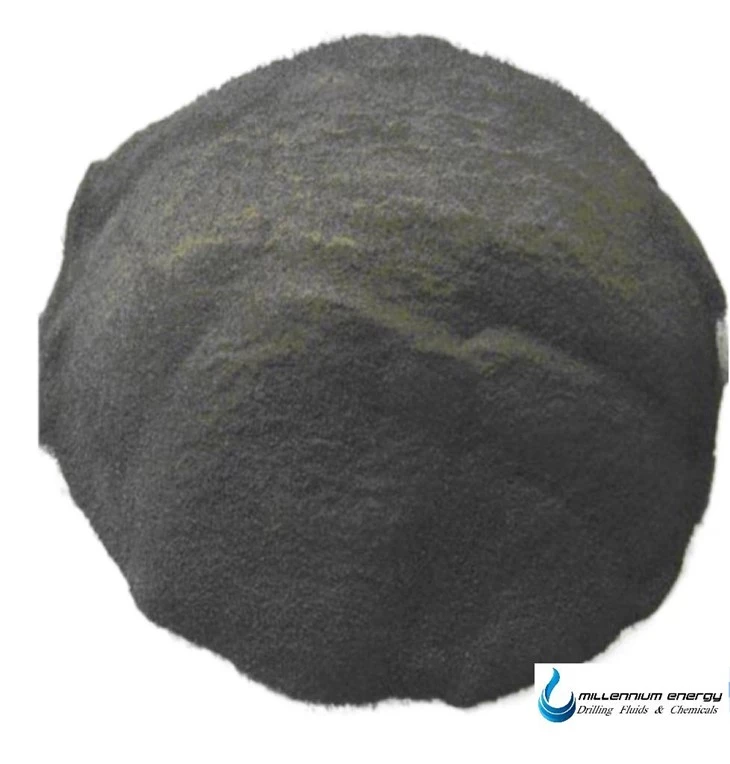
Our standard sulphonated asphalt product is a versatile additive that can be used in a variety of drilling fluids, including water-based muds, oil-based muds, and synthetic-based muds. This product provides excellent filtration control, lubrication, and shale inhibition properties, making it an ideal choice for preventing formation damage during drilling operations.
Benefits of Using Sulphonated Asphalt
The use of sulphonated asphalt in drilling fluids offers several benefits, including:

Improved Well Productivity
By preventing formation damage, sulphonated asphalt helps to preserve the permeability of the reservoir rock, allowing hydrocarbons to flow more freely from the reservoir to the wellbore. This can result in increased well productivity and higher oil and gas production rates.
Reduced Operational Costs
The use of sulphonated asphalt can help to reduce operational costs by minimizing the need for costly remedial treatments, such as acidizing and fracturing, to restore the permeability of the reservoir rock. Additionally, sulphonated asphalt can help to extend the life of the drill bit and the drill string, reducing the frequency of equipment replacement and maintenance.
Enhanced Wellbore Stability
Sulphonated asphalt helps to maintain the stability of the wellbore by preventing the swelling and dispersion of clay minerals in the shale. This can reduce the risk of wellbore collapse, stuck pipe, and other drilling problems, which can cause costly downtime and delays.
Conclusion
In conclusion, sulphonated asphalt plays a crucial role in preventing formation damage during drilling operations. Its ability to control filtration, lubricate the drill bit, and inhibit shale swelling makes it an effective additive for preserving the permeability of the reservoir rock and improving the efficiency of the drilling operation. As a leading sulphonated asphalt supplier, we are committed to providing high-quality products and technical support to our customers. If you are interested in learning more about our sulphonated asphalt products or have any questions about their application in your drilling operations, please don't hesitate to contact us for a consultation. We look forward to working with you to achieve your drilling goals.
References
- Smith, J. D., & Brown, R. L. (2010). Drilling Fluids Technology. Tulsa, OK: PennWell Corporation.
- Guo, J., & Ghalambor, A. (2005). Petroleum Production Engineering: A Computer-Assisted Approach. Upper Saddle River, NJ: Pearson Prentice Hall.
- Bourgoyne, A. T., Jr., Chenevert, M. E., Millheim, K. K., & Young, F. S., III. (1986). Applied Drilling Engineering. Tulsa, OK: Society of Petroleum Engineers.


