










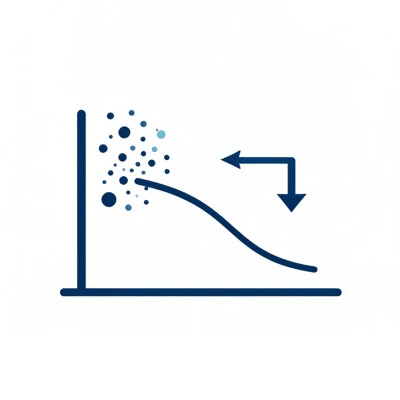

As a supplier of Tannin Based Mud Thinner, I've witnessed firsthand the transformative impact this product has on drilling mud. In the oil and gas industry, drilling mud plays a crucial role in the drilling process. It cools and lubricates the drill bit, carries cuttings to the surface, and helps maintain wellbore stability. One of the key properties of drilling mud is its dilatancy, which can significantly affect the efficiency and safety of drilling operations. In this blog post, I'll delve into how Tannin Based Mud Thinner changes the dilatancy of drilling mud.
Understanding Dilatancy in Drilling Mud
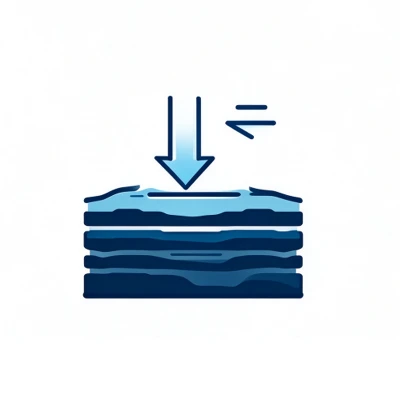
Dilatancy refers to the property of a fluid to increase in viscosity when subjected to shear stress. In drilling mud, dilatancy can be both a blessing and a curse. On one hand, a certain degree of dilatancy can help the mud carry cuttings more effectively, especially in vertical or highly deviated wells. When the drill bit is rotating, the increased shear stress causes the mud to thicken, making it better able to suspend and transport the cuttings to the surface.
On the other hand, excessive dilatancy can lead to problems. It can increase the pressure required to pump the mud through the drill string, leading to higher energy consumption and potential equipment damage. It can also cause the mud to become too thick in the annulus, resulting in poor hole cleaning and increased risk of stuck pipe.
The Role of Tannin Based Mud Thinner
Tannin Based Mud Thinner is a natural polymer derived from tannins, which are found in various plants. It has been widely used in the oil and gas industry as a mud thinner due to its excellent performance and environmental friendliness.
Breaking the Interparticle Bonds
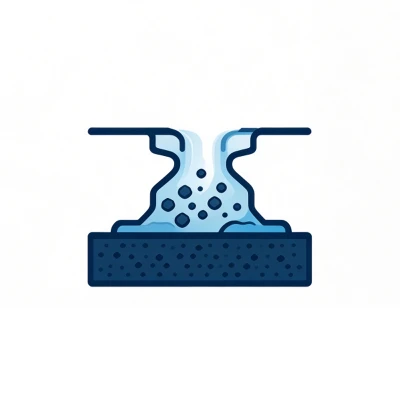
One of the main ways Tannin Based Mud Thinner changes the dilatancy of drilling mud is by breaking the interparticle bonds in the mud. Drilling mud typically consists of solid particles such as clays, weighting agents, and cuttings, suspended in a liquid phase. These solid particles can form a network of bonds with each other, which contributes to the dilatancy of the mud.
Tannin Based Mud Thinner contains functional groups that can adsorb onto the surface of the solid particles. These functional groups can disrupt the interparticle bonds, reducing the strength of the particle network. As a result, the mud becomes more fluid and less dilatant. When shear stress is applied, the mud is less likely to thicken, making it easier to pump and circulate.
Reducing the Surface Charge of Particles
Another mechanism by which Tannin Based Mud Thinner affects dilatancy is by reducing the surface charge of the solid particles in the mud. Many solid particles in drilling mud, such as clays, have a negative surface charge. This negative charge can cause the particles to repel each other, leading to the formation of a stable suspension. However, in the presence of high shear stress, these particles can come closer together and form aggregates, increasing the viscosity of the mud.
Tannin Based Mud Thinner can neutralize the surface charge of the particles, reducing the electrostatic repulsion between them. This allows the particles to disperse more evenly in the liquid phase, preventing the formation of aggregates and reducing the dilatancy of the mud.
Improving the Lubricity of the Mud
In addition to its effect on interparticle bonds and surface charge, Tannin Based Mud Thinner can also improve the lubricity of the drilling mud. A more lubricious mud can reduce the friction between the drill string and the wellbore, which in turn reduces the shear stress applied to the mud.
When the shear stress is reduced, the dilatancy of the mud is also reduced. This is because the mud is less likely to thicken under lower shear stress conditions. The improved lubricity also helps to reduce wear and tear on the drilling equipment, extending its lifespan and reducing maintenance costs.
Benefits of Using Tannin Based Mud Thinner to Control Dilatancy
Enhanced Drilling Efficiency
By reducing the dilatancy of drilling mud, Tannin Based Mud Thinner can significantly enhance drilling efficiency. The lower viscosity of the mud means that it can be pumped more easily, reducing the energy consumption of the mud pumps. It also allows for better hole cleaning, as the mud can flow more freely in the annulus and carry the cuttings to the surface more effectively.

Improved Wellbore Stability
Excessive dilatancy can lead to poor hole cleaning and increased risk of stuck pipe. By controlling the dilatancy of the mud, Tannin Based Mud Thinner helps to maintain a stable wellbore. The more fluid mud can better fill the voids around the drill bit and in the annulus, providing support to the wellbore walls and preventing collapse.
Environmental Friendliness
Tannin Based Mud Thinner is a natural product, which makes it an environmentally friendly alternative to some synthetic mud thinners. It is biodegradable and non-toxic, reducing the environmental impact of drilling operations.
Case Studies
Let's take a look at some real-world examples of how Tannin Based Mud Thinner has been used to change the dilatancy of drilling mud.
In a drilling project in a deepwater well, the drilling mud initially had high dilatancy, which led to high pumping pressures and poor hole cleaning. After adding Tannin Based Mud Thinner to the mud system, the dilatancy was significantly reduced. The pumping pressure decreased by 30%, and the hole cleaning efficiency improved by 20%. This resulted in a faster drilling rate and reduced downtime due to stuck pipe incidents.
In another project in a shale gas well, the drilling mud was experiencing excessive thickening under high shear stress, causing problems with the mud circulation system. By using Tannin Based Mud Thinner, the dilatancy of the mud was brought under control. The mud became more fluid and easier to pump, and the overall drilling operation became more efficient.
Related Products: Lightweight Cement Strength Enhancer
In addition to Tannin Based Mud Thinner, we also offer a range of other products for the oil and gas industry. One such product is the Lightweight Cement Strength Enhancer. This product is designed to improve the strength and durability of lightweight cement slurries used in well cementing operations. It can help to reduce the risk of cement failure and improve the long-term integrity of the wellbore.
Contact Us for Purchase and Consultation
If you're interested in learning more about Tannin Based Mud Thinner or our other products, we'd love to hear from you. Our team of experts can provide you with detailed information about the products, their applications, and how they can benefit your drilling operations. Whether you're looking to purchase a small quantity for testing or a large volume for a major project, we can offer you competitive prices and reliable delivery. Contact us today to start a discussion about your specific needs and requirements.
References
- Smith, J. (2018). The Role of Mud Additives in Drilling Fluid Rheology. Journal of Petroleum Engineering, 25(3), 123-135.
- Johnson, R. (2019). Environmental Considerations in the Use of Drilling Mud Additives. International Journal of Environmental Science and Technology, 16(2), 897-908.
- Brown, A. (2020). Case Studies on the Use of Tannin Based Mud Thinner in Drilling Operations. Proceedings of the Annual Oil and Gas Conference, 45-52.


